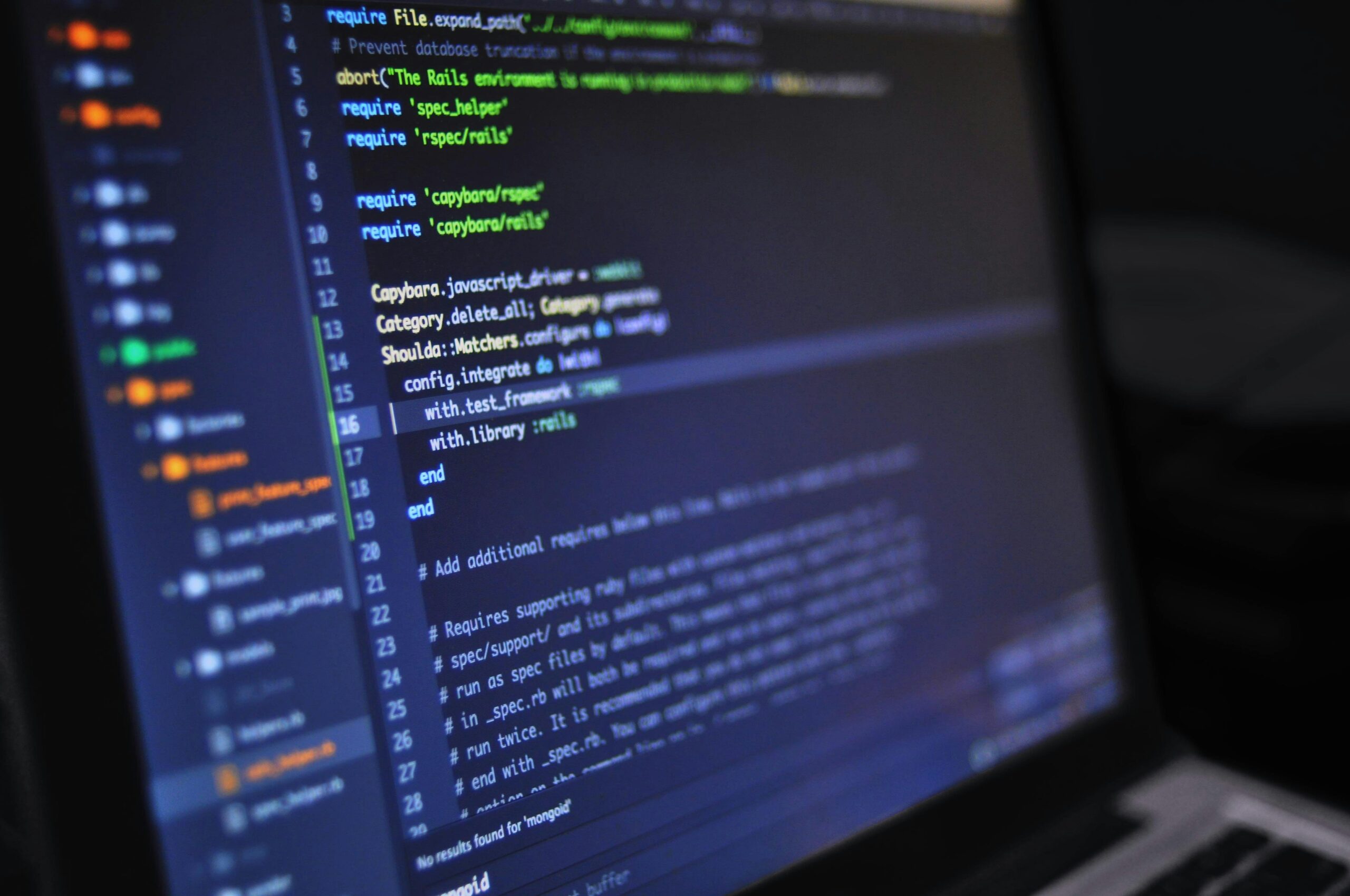
In today’s interconnected and digital world, software plays an essential role in shaping our personal and professional lives. From smartphones and computers to smart appliances and industrial systems, software drives the operation of devices and underpins services that fuel modern society. This article explores the concept of software, its various types, how it’s developed, and the far-reaching impact it has on the world.
What Is Software?
Software refers to a set of instructions, data, or programs used to operate computers and execute specific tasks. Unlike hardware, which constitutes the physical components of a computer system, software is intangible. It serves as the bridge between users and hardware, enabling devices to perform complex functions effortlessly.
The term “software” was first used in the late 1950s, but its significance has grown exponentially since then. Today, it is the core enabler of countless technologies in sectors like healthcare, education, business, transportation, and entertainment.
Types of Software
Software can be broadly categorized into two main types: system software and application software. Each type has its unique purpose and function.
1. System Software
System software serves as the foundation for running hardware and managing system resources. The most notable example is the operating system (OS), which manages hardware components and provides a platform for application software. Examples of operating systems include Windows, macOS, Linux, Android, and iOS.
Other types of system software include:
- Device drivers: Allow the OS to communicate with hardware peripherals like printers, graphic cards, and keyboards.
- Utility programs: Perform system maintenance tasks such as virus scanning, file management, and disk cleanup.
- Firmware: Embedded software that controls hardware devices at a low level.
2. Application Software
Application software is designed to perform specific tasks for users. These programs run on top of system software and include a wide variety of tools and services, such as:
- Productivity software: Word processors (e.g., Microsoft Word), spreadsheets (e.g., Excel), and presentation tools (e.g., PowerPoint).
- Web browsers: Chrome, Firefox, Safari.
- Media players: VLC Media Player, Windows Media Player.
- Games and entertainment: Video games, streaming apps.
- Business applications: Customer relationship management (CRM), enterprise resource planning (ERP), and accounting software.
There are also specialized software solutions for industries such as healthcare (electronic health records), engineering (CAD programs), and finance (trading platforms).
Software Development: From Concept to Code
Software development is the process of designing, coding, testing, and maintaining software applications. It involves a range of professionals including software engineers, developers, testers, UX designers, and project managers. The process is typically structured into stages known as the Software Development Life Cycle (SDLC).
Stages of Software Development
- Requirement Analysis: Understanding what users need from the software. This involves gathering information, defining system requirements, and setting expectations.
- Design: Creating the architecture and user interface of the software. This includes planning data flow, database design, and interface mockups.
- Implementation (Coding): Developers write code using programming languages like Python, Java, C++, or JavaScript.
- Testing: Ensuring the software works as intended. This involves unit testing, integration testing, system testing, and user acceptance testing.
- Deployment: Releasing the software to users. This could be through app stores, websites, or enterprise networks.
- Maintenance and Updates: Continuously fixing bugs, improving features, and adapting to new requirements or technologies.
Development Methodologies
To streamline development, teams use various methodologies such as:
- Waterfall Model: A linear and sequential approach, suitable for projects with well-defined requirements.
- Agile Methodology: An iterative model that emphasizes collaboration, flexibility, and customer feedback.
- DevOps: Combines software development (Dev) and IT operations (Ops) to enhance delivery speed and reliability.
Programming Languages and Tools
Software is written in programming languages that instruct the computer on how to perform tasks. Common languages include:
- Python: Known for its readability and versatility, widely used in data science and automation.
- JavaScript: Powers interactive websites and web apps.
- Java: Popular for Android app development and enterprise-level systems.
- C++: Used in system software, games, and high-performance applications.
- Ruby, PHP, C#, Go: Each serves different niches based on their strengths.
Modern software development also relies on tools like:
- Integrated Development Environments (IDEs): e.g., Visual Studio Code, IntelliJ IDEA.
- Version control systems: e.g., Git and platforms like GitHub for code collaboration.
- Frameworks and libraries: Accelerate development by providing reusable code blocks.
The Impact of Software on Society
Software has fundamentally changed how humans interact, work, and live. Here are several key areas where its influence is most visible:
1. Communication and Social Interaction
Applications like WhatsApp, Zoom, Slack, and social media platforms have revolutionized communication. They allow people to connect across continents in real-time, breaking down geographic barriers.
2. Business and Economy
Software powers everything from online stores and payment systems to data analytics and supply chain management. Cloud computing platforms like AWS, Azure, and Google Cloud have transformed how businesses operate, offering scalable and cost-effective solutions.
3. Education
E-learning platforms, virtual classrooms, and educational apps have made learning more accessible and personalized. Tools like Khan Academy, Coursera, and Duolingo are helping millions gain new skills worldwide.
4. Healthcare
From telemedicine to AI-powered diagnostics, software is revolutionizing healthcare delivery. Electronic health records improve efficiency, while medical software aids in disease detection and treatment planning.
5. Transportation and Mobility
Software is the brain behind GPS navigation, ride-hailing apps, and autonomous vehicles. Companies like Tesla use sophisticated software to power their self-driving features and over-the-air updates.
6. Entertainment and Media
Streaming services like Netflix, Spotify, and YouTube rely heavily on software for content delivery, recommendation engines, and user experience. Video game development, powered by powerful game engines, represents one of the most sophisticated applications of software engineering.
Challenges in Software Development
While software offers immense benefits, it also presents certain challenges:
- Security vulnerabilities: Bugs and design flaws can expose users to data breaches and cyberattacks.
- Complexity and scalability: Large systems can become difficult to manage and scale.
- Ethical concerns: Issues related to data privacy, surveillance, and AI decision-making raise moral questions.
- Technical debt: Rushed or poorly written code can hinder future development and require costly fixes.
Developers and organizations must navigate these issues carefully to create software that is secure, scalable, and ethical.
The Future of Software
The future of software is being shaped by emerging technologies such as:
- Artificial Intelligence (AI) and Machine Learning (ML): Creating smarter systems that can learn and adapt.
- Blockchain: Enabling secure and decentralized applications.
- Quantum computing: Promising breakthroughs in solving complex problems at unprecedented speeds.
- Low-code/no-code platforms: Allowing non-programmers to build applications with minimal coding.
As these technologies mature, software will continue to evolve and further integrate into every aspect of life.
Conclusion
Software is the invisible engine driving the digital transformation of our world. From simple mobile apps to complex enterprise systems, it enables innovation, productivity, and connectivity. As technology continues to advance, the role of software will only grow more prominent. Understanding how software works—and how it is created—is essential for anyone looking to thrive in the modern age.
Whether you’re a user, a developer, or simply curious, grasping the fundamentals of software provides valuable insight into the machinery of modern civilization.
Would you like a visual diagram of the software development life cycle or types of software?
Hi sana
hi
hello